Filler Fatigue and the Rise of Younger Facelifts: The New Frontier in Aesthetic Surgery
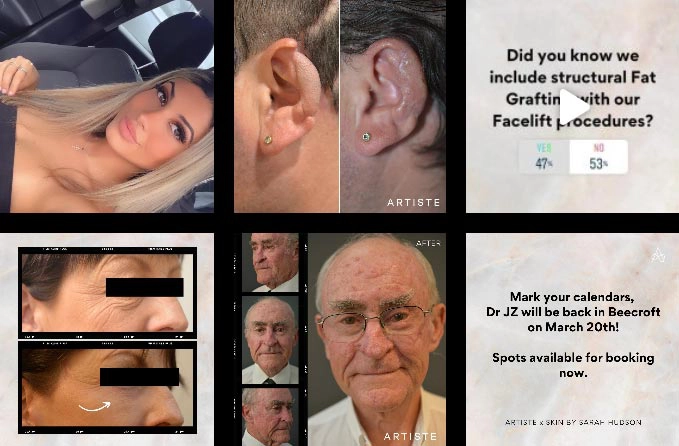
Model featured in photography
All Plastic Surgery and Non Surgical treatment is invasive and has risks.
For years, dermal fillers (TGA regulated) have dominated the world of non-surgical facial rejuvenation. These quick, non-invasive procedures made enhancing volume, restoring symmetry, and reversing signs of aging easier than ever. But, as with all trends, fillers aren’t without their limitations—and increasingly, patients are noticing them. Enter “filler fatigue,” a growing concern that perfectly highlights the pitfalls of these once-revolutionary treatments. In response, a surprising new trend has emerged: younger patients opting for facelifts. Dr. Jack Zoumaras, a leading plastic surgeon and founder of Artiste Plastic Surgery in Sydney, is at the forefront of this shift. Combining expert artistry with advanced technique, he explains why more patients are skipping endless rounds of non surgical treatments and embracing the long-term benefits of a surgical facelift—some even as early as their 30s and 40s.
What is Filler Fatigue?
“Filler fatigue” is a term used to describe the over-reliance on dermal fillers, where repeated use over time leads to diminishing results, unintended changes in facial structure, or patient dissatisfaction. While fillers are exceptional tools in moderation, improper or excessive use can create issues like:
- Distorted or Overfilled Features: Regular filler treatments can stretch the skin and create a “puffy” or unnatural appearance.
- Filler Migration: Repeated injections may lead to fillers shifting to areas they weren’t intended for, causing uneven contours or volume issues.
- Short-Term vs. Long-Term Solution: Since fillers dissolve over time, patients require frequent top-ups, leading to a cycle of heavy maintenance.
Dr. Jack Zoumaras explains, “Many patients come to me thinking fillers are their only option for rejuvenation, but after years of use, they’ve noticed their results no longer look natural—or, even worse, they start looking older than before. This is where we step in and explore more sustainable solutions.”
The Rise of the Younger Facelift
Facelifts were once viewed as procedures for patients in their 50s or 60s, but this stereotype is beginning to shift. Increasingly, younger patients are choosing facial surgery in their late 30s or 40s to address early signs of aging. But why opt for a facelift at a younger age? According to Dr. Jack Zoumaras, it comes down to tackling the root cause rather than layering temporary solutions. Whereas fillers are designed to add volume or subtly lift the skin, facelift’s reposition and tighten underlying structures, providing a more comprehensive and enduring improvement.
Why Younger Facelifts Make Sense
Here are a few reasons why younger patients are turning to facelifts as a preemptive solution:
- Address Problems Before They Escalate
Younger patients experience less dramatic signs of sagging or volume loss than older patients. A smaller, more targeted facelift can subtly perfect their features while preserving their natural beauty.
- Avoid Filler Overload
Instead of relying on repeat filler appointments, which can distort facial balance over time, a facelift restores youthful contours without excess volume, ensuring the face looks refined, fresh, and not overdone.
- Natural-Looking, Long-Lasting Results
Facelifts performed in younger patients deliver subtle results that appear smoother and more graceful as they age. When done by a skilled surgeon, the effect is never harsh or unnatural.
- Save Time and Maintenance
Facelifts eliminate the need for ongoing filler treatments every few months, offering a long-term solution that’s both cost-effective and time-saving in the long run. As Dr. Jack Zoumaras states, “Younger facelifts are about achieving timeless beauty. It’s not transformation—it’s refinement. The results are so subtle that no one will ever know you’ve undergone surgery.”
Filler Fatigue vs. Surgical Solutions
The debate between fillers and surgery isn’t an either-or question—it’s about balance. Dr. Jack Zoumaras believes that fillers are excellent tools when used appropriately. However, he warns against fillers as a “fix-all.”
How Fillers Fall Short Over Time:
| Fillers | Facelifts |
| Temporary (last 6–18 months) | Permanent (results last 10+ years) |
| Limited to addressing volume | Addresses volume loss, sagging, and aging |
| Cumulative cost over time | Cost-effective in the long term |
| Risk of overfilling or migration | Focuses on proportional and natural results |
“Fillers improve certain problems,” Dr. Jack Zoumaras remarks, “but when skin elasticity, sagging, and deeper aging set in, surgery becomes the only way to refresh and lift the face properly.”
Modern Mini-Facelifts for Younger Patients
Facelifts are no longer the highly invasive, overly dramatic procedures they once were. Advances in surgical techniques, like those pioneered by Dr. Jack Zoumaras, have made them safer, quicker, and much more tailored for younger patients. Some of the popular surgical techniques include:
- Mini-Facelift: Targeted for patients with mild sagging or early signs of aging, a mini-facelift tightens the skin and underlying muscles with minimal downtime.
- Neck and Jawline Contouring: Many younger patients focus on defining the jawline and removing early jowls, which a facelift can correct more effectively than fillers.
- Deep Plane Facelifts: By addressing the deep structures beneath the skin, these advanced techniques offer natural, long-lasting results without creating a “pulled” effect.
Dr. Jack Zoumaras emphasizes that “modern facelifts are nothing like the procedures of the past. Today, we have the tools to individualize every surgery, ensuring results that balance youthfulness with subtle restraint.”
The Cultural Shift Toward Earlier Surgical Intervention
As the trend towards subtlety and permanence takes hold, younger facelifts are entering the mainstream. Social media has played a massive role in this shift, with influencers, celebrities, and everyday patients sharing their experiences—not just with fillers but with the alternatives.
Why are younger patients becoming more open to facelifts?
- Desire for Better Long-Term Results: Patients are increasingly aware that fillers are not a lifelong solution and that surgery prevents the need for constant corrections.
- Destigmatization of Cosmetic Surgery: More open discussions about aesthetic preferences—especially by younger celebrities—have normalized the idea of surgery as a personal choice, not a last resort.
- The Natural Beauty Movement: Patients are seeking subtle enhancements that let them look like themselves—just refreshed—without fear of looking overly “done.”
A Message from Dr. Jack Zoumaras
“There’s no one-size-fits-all solution in aesthetics,” Dr. Zoumaras explains. “The key is to work with a tailored plan that addresses a patient’s specific concerns and provides the best, most natural results. Whether through fillers, facelifts, or a combination of both, the goal is always to bring out the best version of yourself.” If you’re experiencing filler fatigue or noticing early signs of aging, it may be time to explore the potential of a surgical solution. Younger facelifts offer a transformative yet subtle approach to achieving the timeless beauty that so many patients desire. — At Artiste Plastic Surgery, Dr. Jack Zoumaras specializes in artistic facelifts tailored to every individual’s needs. Combining technical precision with an artistic eye, he ensures results that enhance your natural beauty while standing the test of time. Published in JPRAS Oct 2025.
SHARE THIS ARTICLE
May07
The Psychology Behind Choosing Facial Surgery: Is It Worth It?
Disclaimer — Dr Jack Zoumaras Specialist Plastic Surgeon (MED0001196472) All plastic surgery is invasive and has risks. Recovery varies between 1–4 weeks. Results vary and are illustrated as a guide ...
May07
How Cosmetic Surgery Can Improve Confidence
Disclaimer — Dr Jack Zoumaras Specialist Plastic Surgeon (MED0001196472) All plastic surgery is invasive and has risks. Recovery varies between 1–4 weeks. Results vary and are illustrated as a guide ...
ABOUT ARTISTE
Artiste Plastic Surgery is an Award Winning Specialist Plastic Surgery practice led by internationally trained Dr. Jack Zoumaras, Plastic Surgeon and Peer Reviewed Face Surgeon
Artiste offers the latest Cosmetic Surgical Procedures of the Face, Breast and Body, inspired from leading centres around the world.
STAY IN THE LOOP
Enter your email address below to receive updates on new articles and VIP access to promotions and special offers.
FOLLOW US ON INSTAGRAM